Sailtunities Introduction
|
|
Introduction |
|
Lesson plan #1 |
|
ABOUT THE LESSON |
|
|
Topic |
Introduction to the #sailtunities project activities. |
|
Duration |
60-90 min |
|
Goal(s) of the lesson |
|
|
The big idea behind the topic |
This lesson introduces the importance of clean water, engages students in reflecting on their current knowledge, and sets up the broader #sailtunities project. Activities include individual reflection, group discussions, and a questionnaire. This connects with the boat project by introducing water-related concepts that will be further explored practically, such as data collection and analysis using water-monitoring robots. It also links to other modules like chemistry. |
|
Results of the lesson |
|
|
Competencies |
Students will get a deeper understanding of the multifaceted importance of clean water, recognizing its critical role in sustaining life and maintaining environmental balance. Students will develop critical thinking, teamwork, and basic scientific skills related to water quality and environmental science. They will gain an appreciation for environmental conservation and develop a sense of responsibility towards protecting water resources. |
|
Methods |
Think-Pair-Share; presentation; lecture-based instruction; competence assessment via questionnaire. |
|
Connection with other modules |
We recommend this lesson to be the first one in the #sailtunities project. It provides an introduction to the course and enables students to understand why and what they will be learning. The aspects related to water quality that come up in this lesson will be further elaborated in the Chemistry module. |
|
Relevance to the curriculum |
The importance of clean water has tight connections with environmental science, biology, chemistry, geography, social sciences, health and physical education. |
|
Stakeholder involvement |
This lesson can be facilitated by the teacher in the classroom entirely. However, to raise the students’ interest, motivation and competences, these stakeholders could be involved:
|
|
EQUIPMENT AND MATERIALS NEEDED |
|
|
STEP-BY-STEP ACTIVITIES |
|
|
Activity 1 |
Group Work: Importance of Clean Water During this activity, students will reflect on the importance of clean water in various contexts and collaborate to identify key reasons why clean water is essential for individuals, communities, and the environment. It is important that students have some time to think of their own ideas before sharing them in a pair/group. In the Slide presentation developed for this lesson, you can find the instructions for the students that you can use in the classroom. |
|
Step 1 (THINK) Individual Reflection: Students will individually think about and write down their ideas on the importance of clean water in the following areas: Human body: How clean water is essential for bodily functions and health. Me and my family: The role of clean water in daily life and household needs. My town and my country: The importance of clean water for the community and the nation's well-being. Plants, animals, and other living organisms: How clean water supports ecosystems and biodiversity. The entire planet: The global significance of clean water for sustaining life and maintaining the environment. You can distribute these subtopics among the students in different ways, depending on available time and your preferences. STEP 2 (PAIR) Group Discussion: Students will share their thoughts in small groups, discussing their ideas and listening to others' perspectives. You can arrange the groups based on subtopic or you can make mixed groups where all aspects of water importance are discussed. Together, each group will create a list of 5-10 key aspects that highlight why clean water is important for both humans and the environment. STEP 3 (SHARE) Presentation: Teacher asks each group in a row to tell one aspect at a time from their list. Each idea is discussed with all the students. This stage can be extended by the teacher asking additional questions in order to bring up knowledge about water from different subjects that the students should already possess. The activity is complete when the students do not provide any more ideas. The teacher can add some more ideas if needed. EXTRA: For this activity, you can formulate a question for discussion in a different way, or you can guide the students with additional questions. In Annex 1, you will find a longer list of questions that can be useful for this activity. Additionally, you can select a video from Youtube or other sources that highlight the importance of clean water. This will allow the students to verify their own ideas and possibly find out some new things. |
|
|
Activity 2 |
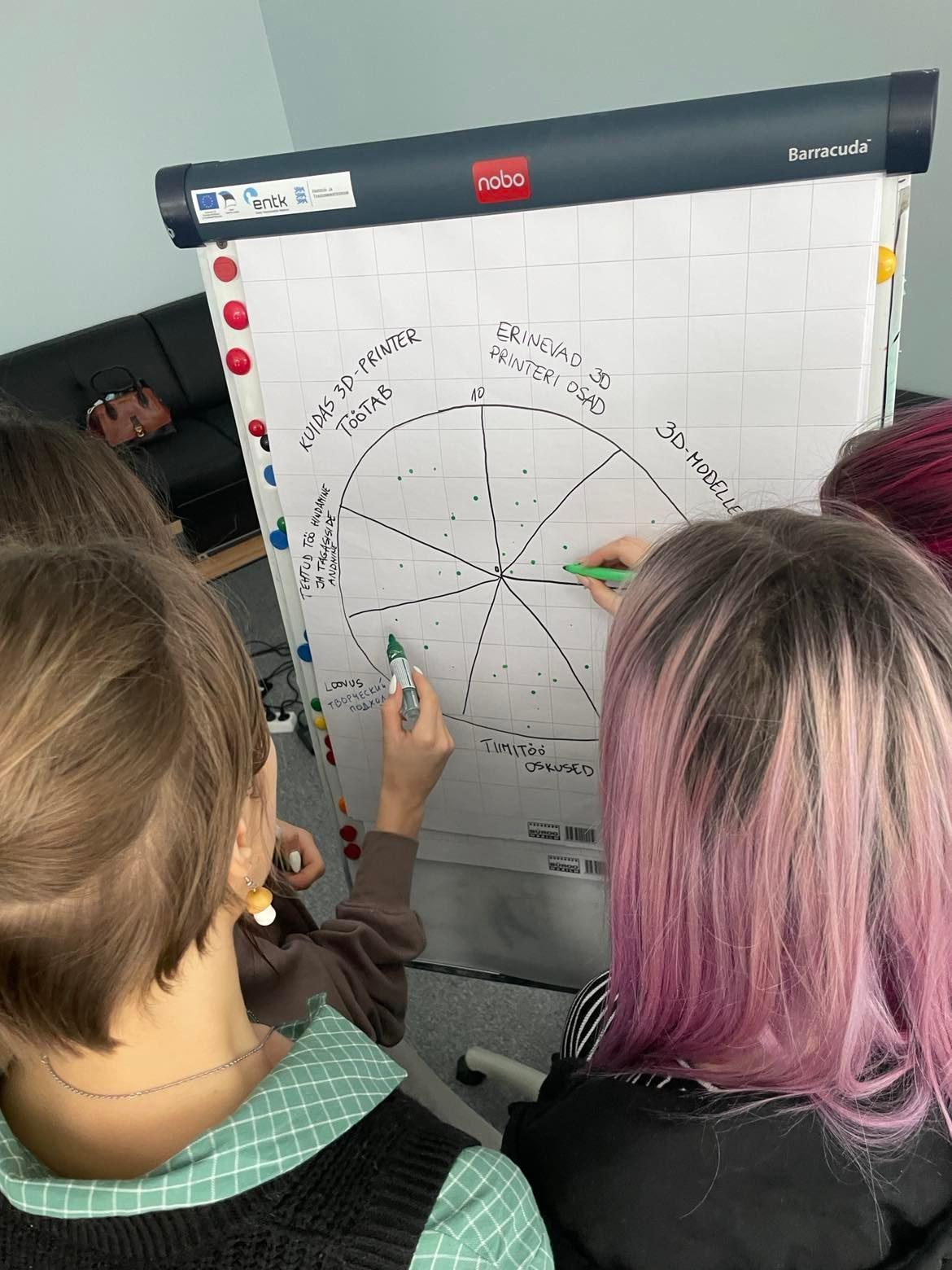
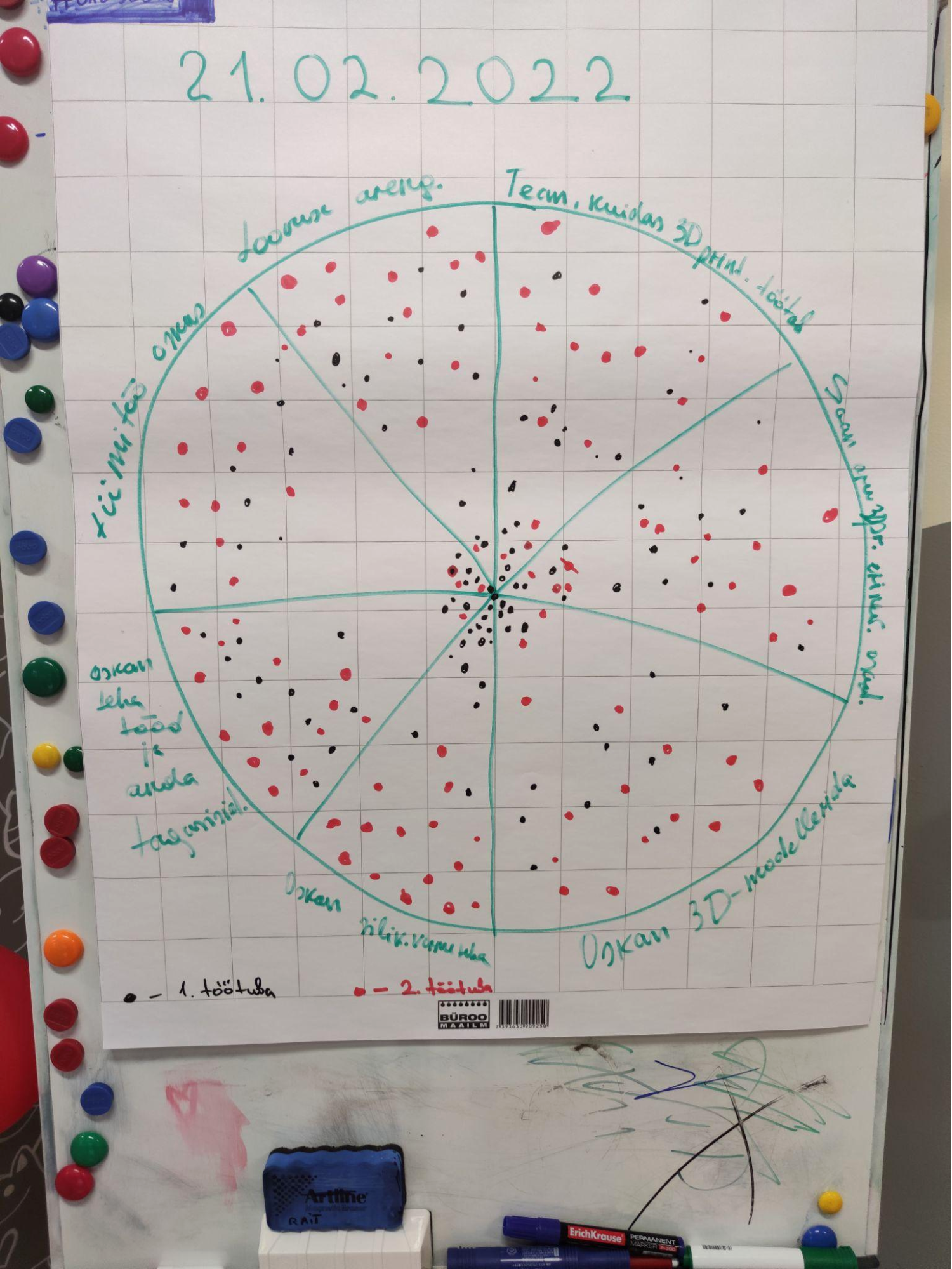
Self-evaluation of competences related to the project STEP 1 Completing an online questionnaire As part of the #sailtunities project, a research will be implemented via Google Forms. The questionnaire is anonymous. Responses will be used to evaluate the impact of the pilot course for the students’ competence development. You should provide the students with access to this form and reserve approx 10 minutes for completing it. Here is a link to the English version of the questionnaire. STEP 2 (OPTIONAL) Students can be asked to self-evaluate their competences related to the water topic by an active, visual and entertaining method. The Pizza Method is our suggestion as it is a creative and engaging way for students to self-evaluate their competencies. Each slice of the pizza represents a different area of competence, and students visually represent their confidence or proficiency by "filling in" the slices. You can make one pizza chart for a group of 5 students, or for the whole class. This option allows your students to provide anonymous self-evaluation and you can get a group view of your students’ competences and their development. The pizza will be filled in according to how confident or proficient they feel in each area. Students mark their current knowledge/skill/interest level with a marker. Each piece represents one statement. The closer to the center, the less they agree with the statement. The more to the outer side of the pizza, the more confident they feel. Encourage honesty, as this is a personal reflection tool. The flipchart can then be displayed on a wall in the classroom. |
|
At certain points during the project, you can ask the students to take markers of another color and place a dot for their current evaluation. Facilitate a group discussion where students can discuss their growth, and reflect on areas where they still feel they need improvement. Alternatively, you can provide each student with their own pizza template. You will find more details about this option in Annex 2. In Annex 3, you will find a list of suggested statements for pizza slices to choose from. Feel free to choose any other self-evaluation method that you prefer. |
|
|
Activity 3 |
Introduction to the project It is important to give the students an overall understanding about the #sailtunities project. You can use the information in the Slides presentation with all the stages in their creative project outlined. Here is some additional information that might be helpful: The primary goal of the #sailtunities project is for students to engage in hands-on scientific inquiry by constructing and utilizing a robot designed for water research. Through this activity, students will collect and analyze data from a local water source, such as a lake or river, to assess its health. The students will also be tasked with exploring potential water filtration solutions by designing attachments for the robot that can collect or filter impurities such as algae, trash, or microplastics. Students will begin by constructing a robot capable of collecting data on various water quality indicators, such as temperature, oxygen levels, pH, and water clarity. The robot will collect a substantial amount of data, more than an individual could gather manually. After gathering this data, students will use software tools to visualize the information through maps and graphs, drawing insights about the water body. They will also design filters and test the water for impurities like microplastics and bacteria. This data will help them understand the microscopic properties of the water, and students will have the chance to create solutions to improve the water quality by designing a water filtration attachment for their robots. By the end of the project, students will have a thorough understanding of the local water body’s health and the challenges it faces. They will develop critical thinking and problem-solving skills as they design and test filtration solutions. Additionally, students will gain experience in scientific methods, data collection, and analysis, and will present their findings and proposals to their peers, teachers, and possibly local scientists. The project will foster collaboration and curiosity, while empowering students to become active participants in environmental conservation. |
|
After presenting the project, it is recommended to discuss and settle these issues with your students:
|
|
|
Activity 4 |
If the time allows, you can ask the students for quick feedback about their first impressions about the project. |
|
Assessment |
|
|
Useful links |
Water. An Essential Element of Life The Basics of Freshwater: Crash Course Kids 14.1 Water Pollution for Kids | Learn How to Keep Our Water Clean |
ANNEX 1. Optional questions for Activity 1
General:
How does clean water impact the health and balance of our entire environment?
Why is water essential for both humans and the environment?
In what ways does water support human life and the health of our environment?
Other questions:
1. The Role of Water in the Environment
- Why is water important for all living organisms?
- How does water support different ecosystems (e.g., rivers, lakes, oceans)?
- What are some examples of how water quality can impact wildlife?
2. Human Impact on Water Quality
- How do human activities affect water quality?
- What are common sources of water pollution?
- Can you think of ways to reduce pollution in local water bodies?
3. Water Quality Parameters
- What do you think are important factors to measure in water to determine its quality (e.g., pH, turbidity, dissolved oxygen)?
- Why do you think these parameters are important for both human use and wildlife?
4. Water Conservation and Sustainability
- Why is it important to conserve water?
- What are some ways individuals and communities can contribute to water conservation?
- How can improving water quality contribute to sustainability?
5. Global and Local Water Issues
- What are some global water issues (e.g., scarcity, pollution) that concern you?
- Can you identify any water-related challenges in your community?
- How can young people like yourselves play a role in addressing these challenges?
6. The Future of Water Resources
- What do you think the future holds for our water resources if current trends continue?
- What innovations or changes would you like to see to ensure clean and accessible water for future generations?
7. Personal Connection to Water
- What are some ways that water plays an important role in your daily life?
- Have you ever noticed a difference in water quality (taste, smell, appearance) in different places? Why might this happen?
- What actions can you take in your home or school to improve water quality?
8. Case Studies and Real-Life Examples
- Can you think of any real-life events where poor water quality had significant consequences? What happened?
- How do you think communities should respond to water quality crises?
ANNEX 2. Pizza method for competence evaluation
Step-by-Step Implementation:
- Introduction to the Pizza Method:
Introduce the concept to the students by explaining that each pizza slice represents a different area of competence related to water quality and importance.
- Creating the Pizza Template:
Provide each student with a blank pizza template. The pizza should be divided into 6-10 slices, depending on the number of competencies being evaluated. Each slice should be labeled with a specific competency or statement.
- Pre-Project Self-Evaluation:
Ask students to color in each slice according to their current self-assessment:
Fully colored slice = very confident/high proficiency.
Partially colored slice = somewhat confident/moderate proficiency.
Barely colored slice = little confidence/low proficiency.
Students can keep these pizzas in their portfolios or journals to track their progress over time or you can keep them till the end of the project.
During and/or at the end of the project, ask students to revisit their pizza templates and re-evaluate their competencies by either adding more color to their slices or filling in a new pizza template for comparison. Discuss the changes they observe and what experiences contributed to their growth in each area.
ANNEX 3. Suggested Self-Evaluation Statements
For Younger Students (12-15 years old):
I understand why clean water is important for my health.
I can explain how water pollution affects plants and animals.
I know ways to save water at home and in my community.
I can identify the main sources of water pollution.
I feel confident discussing why water quality is important with my peers.
I am interested in learning more about how to protect our water resources.
I know what I can do to help keep our local water sources clean.
I understand how water quality affects the entire planet.
I can name some solutions to improve water quality.
I feel responsible for taking care of our water resources.
For Older Students (16-19 years old):
I have a thorough understanding of the global issues related to water quality.
I can explain the impact of industrial activities on water pollution.
I am confident in analyzing the effectiveness of different water purification methods.
I can critically assess the policies related to water conservation in my country.
I actively seek out information about water sustainability practices.
I can lead discussions on water conservation with different audiences.
I feel prepared to take action in my community to improve water quality.
I am interested in pursuing further studies or a career related to environmental sciences or water management.
I understand the connection between water quality and climate change.
I feel empowered to advocate for policies that protect water resources.
|
Erasmus+ KA2 Cooperation Partnerships project Sailing Into Opportunities No. 2023-1-LT01-KA220-SCH-000161306 sailtunities.gaminu.eu |
|
|
|
Funded by the European Union. Views and opinions expressed are however those of the author(s) only and do not necessarily reflect those of the European Union or the National Agency. Neither the European Union nor National Agency can be held responsible for them. |